
When it comes to facility management, efficient maintenance equipment management is crucial for the smooth operation and longevity of all working machinery. Having the right tools, systems, and checklists in place not only ensures the operational integrity of equipment but also enhances safety and reduces unexpected downtime. Managing this equipment effectively helps maintain high productivity levels, ensures compliance with various safety and operational standards, and can significantly reduce overall maintenance costs. This blog explores essential strategies and tools for optimizing maintenance equipment management in any facility.
Importance of Maintenance Equipment Management
Enhancing facility operations
Effective maintenance equipment management plays a crucial role in enhancing the operations of any facility. By ensuring that all equipment is maintained in good working order, facility managers can avoid the unexpected breakdowns that often lead to operational delays and increased costs. Regular maintenance enables smooth and continuous operation, minimizing disruptions and allowing businesses to meet or even exceed their operational targets. Essentially, proactive management of maintenance equipment means a facility can operate more reliably and efficiently.
Improving efficiency and productivity
Maintaining a rigorous equipment management program directly contributes to the overall efficiency and productivity of a facility. With well-maintained equipment, tasks are completed faster and with greater accuracy, which boosts productivity and reduces time wasted on correcting errors or dealing with equipment failures. This not only saves valuable time but also reduces labor costs. Additionally, using data from equipment diagnostics helps in forecasting potential malfunctions, allowing for preventative maintenance that keeps equipment running at optimal performance.
Ensuring safety and compliance
Another significant aspect of maintenance equipment management is its role in ensuring the safety of staff and compliance with various regulatory standards. Regular checks and maintenance of equipment help prevent accidents and injuries that can occur due to malfunctioning machinery. Furthermore, many industries are subject to strict regulatory requirements regarding the upkeep of their equipment. Effective management systems ensure that all equipment meets these standards, thus avoiding legal issues and potential fines.
Must-Have Maintenance Equipment
Equipment Checklist for Facility Managers
In order to maintain an effective management system, facility managers should keep a comprehensive equipment checklist that includes:
- HVAC systems: Regular inspections and cleaning.
- Electrical systems: Routine checks of wiring and components.
- Plumbing systems: Inspection and maintenance of pipes and fittings.
- Safety equipment: Fire extinguishers, alarms, and sprinkler systems.
- Operational machinery: Specific checklists depending on the machinery used in the facility.
This checklist should be reviewed and updated regularly to adapt to new regulations and operational needs.
Tools for Routine Maintenance Tasks
For routine maintenance tasks, there are essential tools that every facility must have on hand, including:
- Multi-meters and voltage testers for electrical systems.
- Wrench sets, screwdrivers, and pliers for mechanical adjustments.
- Lubricants and cleaning supplies for general upkeep.
- Thermal cameras for inspecting electrical panels and equipment.
- Software tools for tracking maintenance schedules and inventory.
Equipped with these tools, maintenance teams can efficiently handle regular upkeep and ensure that equipment operates flawlessly.
Equipment for Emergency Repairs
Facilities must also be prepared for emergency repairs, which require a different set of tools and equipment:
- Portable generators for power outages.
- Heavy-duty flashlights and headlamps for working in poor lighting conditions.
- Emergency repair kits including a variety of fasteners and sealants.
- Hydraulic lifts and jacks for handling heavy machinery.
- Water pumps for flooding or severe plumbing issues.
Having these tools readily available can make the difference between a quick fix and a prolonged disruption, ensuring that the facility can return to normal operations as swiftly as possible.
Organizing and Managing Maintenance Equipment
 Image courtesy: Unsplash
Effective facility management begins with superior organization and management of maintenance equipment. Having a structured system not only ensures equipment longevity but also enhances efficiency and safety in operations.
Inventory Management Systems
Inventory management systems are essential for tracking equipment availability, status, and maintenance records. By employing such systems, facilities can prevent equipment overlap, reduce downtime, and optimize usage. These systems help in cataloging equipment based on various parameters such as type, frequency of use, and maintenance schedule. Implementing an inventory management system aids in quick decision-making and better resource allocation.
Storage Solutions for Equipment
Strategic storage solutions are pivotal in maintenance management. Proper storage prevents damage and loss, and affects the efficiency of retrieval and usage. Utilizing vertical storage units and modular drawers can maximize space and preserve the condition of tools and equipment. Labeling and categorizing equipment in designated areas ensures that items are easy to locate and track. Furthermore, secure storage systems with controlled access can help in managing valuable or sensitive equipment, reducing theft or misuse.
Maintenance Equipment Tracking Software
Leveraging technology through maintenance equipment tracking software can revolutionize equipment management. These digital tools offer real-time tracking of equipment status, maintenance needs, and usage patterns. Features often include automatic reminders for maintenance checks and calibration, inventory updates, and usage logs. This kind of software enhances accountability and precision in managing large inventories, making it invaluable in large facilities where manual tracking would be cumbersome and prone to error.
Maintenance Equipment Maintenance Tips
Maintaining the functionality and extending the lifespan of equipment is critical in facility management. Implementing robust maintenance strategies ensures operational efficiency and safety.
Cleaning and Regular Inspections
Regular cleaning and inspections are fundamental to equipment maintenance. Ensuring that equipment is clean and free from debris can prevent malfunction and extend its operational life. Regular inspections help identify potential issues before they lead to serious problems or operational delays. Maintenance teams should develop a routine schedule and checklist for inspecting all equipment, focusing on wear and tear, operational efficiency, and safety standards.
Scheduled Maintenance and Repairs
Implementing a scheduled maintenance and repair program is crucial for the durability of maintenance equipment. Preventative maintenance, such as oil changes, filter replacements, and parts lubrication, can significantly reduce the likelihood of unexpected breakdowns. Scheduling repairs promptly and using high-quality parts can also maintain the efficiency and effectiveness of the equipment. Documentation of all maintenance and repairs helps in tracking performance and planning future interventions.
Staff Training on Equipment Handling
Proper training of staff on the correct handling and operation of equipment is vital for safety and efficiency. Training programs should include operational procedures, safety norms, and troubleshooting techniques. Regular refresher courses and updates on new equipment or changes in operational protocols help keep staff skilled and aware. Effective training minimizes the risk of accidents, equipment damage, and operational errors, fostering a safer and more productive work environment.
Budgeting for Maintenance Equipment
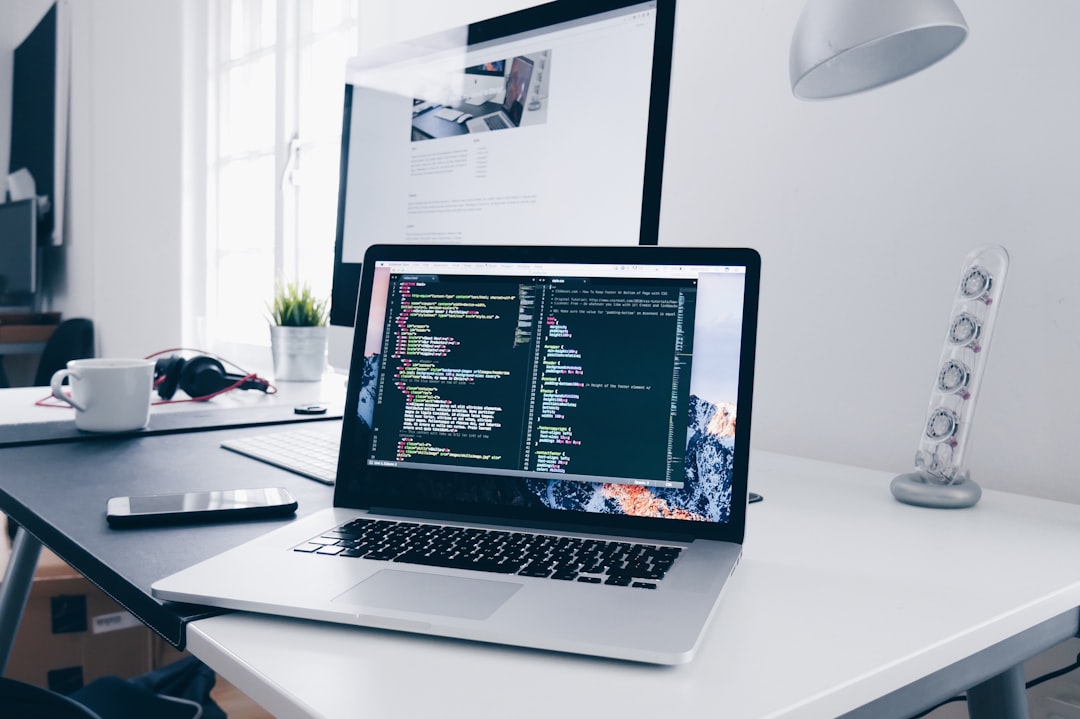 Image courtesy: Unsplash
Setting a Maintenance Equipment Budget
Establishing a comprehensive budget for maintenance equipment is a critical step in facility management. Start by assessing the current inventory of tools and equipment to identify necessities and items that require upgrades or replacements. It’s important to prioritize purchases based on the frequency of use and the critical nature of the equipment to facility operations. Include a contingency fund within your budget to cover unexpected repairs or urgent equipment needs. This proactive approach ensures you can maintain productivity without compromising your financial stability.
Investing in Quality vs. Cost-Effective Options
When purchasing maintenance equipment, the decision between quality and cost is pivotal. Investing in high-quality equipment might seem costly upfront but generally offers greater durability and efficiency, leading to reduced repair costs and downtime in the long run. Alternatively, cost-effective options can be tempting, especially under tight budget constraints, but they may result in higher maintenance costs and shorter lifespans. Evaluate the total cost of ownership, including purchase price, maintenance expenses, and potential downtime costs, to make an informed decision that balances quality with budget.
Long-Term Planning for Equipment Upgrades
Strategic long-term planning is essential for effective equipment management and budget control. Regularly review and update your equipment inventory with a well-defined schedule for upgrades. This should align with technological advancements and changing facility needs. Implementing a lifecycle management plan for each piece of equipment helps in anticipating end-of-life and scheduling replacements before failures occur. This forward-thinking approach ensures continuous improvement in maintenance operations and helps in avoiding abrupt financial burdens due to unplanned equipment failures.
Conclusion
Effective maintenance equipment management is essential for the longevity and efficiency of your facility. Implementing a thorough maintenance schedule supported by a comprehensive equipment checklist ensures that every piece of machinery receives the necessary care to function optimally. This strategic approach not only safeguards your investments but also enhances overall productivity by minimizing downtime. Remember, consistent and proactive maintenance is key to maintaining a reliable and safe operational environment. Stay organized, keep detailed records, and never underestimate the value of regular equipment inspections and upgrades.